
The Unease of Our Time: Anxiety, Overthinking, and Coming Back to the Present
Lately, something keeps coming up in my office. People come in for a specific reason, a relationship, work, trouble sleeping, and then, often near the end of the session, something else comes out. I don’t know what’s going on in the world anymore. I can’t stop reading the news. I feel like something bad is coming, and I don’t know what.
Many of them are doing well on the outside. They’re capable, thoughtful, used to solving problems. What unsettles them is that this one can’t be solved. Wars, political division, climate change, the economy, technology changing faster than any of us can follow. The world feels unstable, and the mind does what it always does when it feels threatened: it starts thinking, and it doesn’t stop.
When someone tells me this, I don’t try to talk them out of it. The world is hard right now. What we look at together is what it’s stirring up in them.
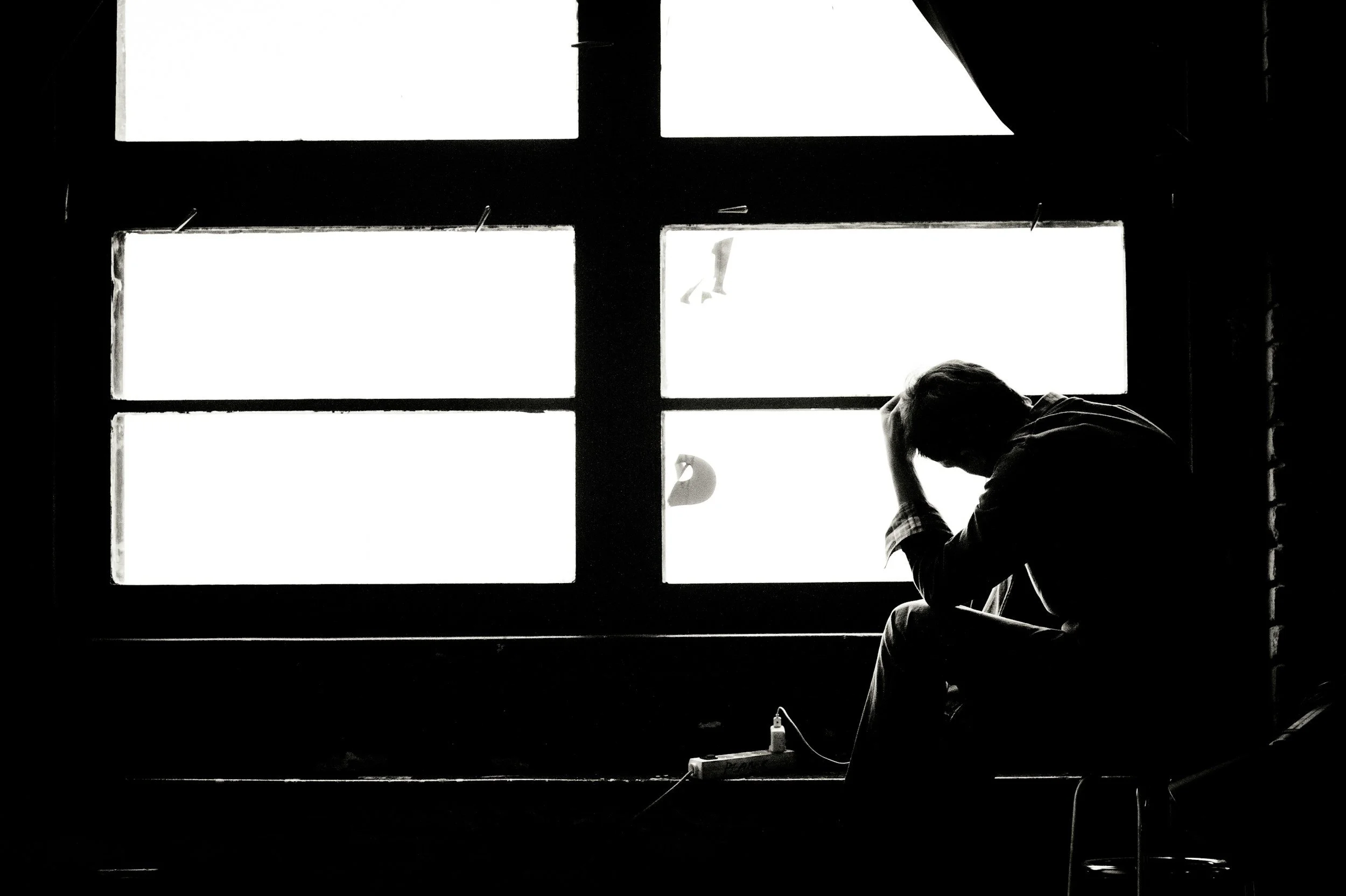
“We suffer more often in imagination than in reality.”
— Seneca, Letters from a Stoic
Anxiety Has Always Lived in Culture
In 1930, Freud wrote Civilization and Its Discontents. The German title is closer to The Unease in Culture. His idea was that the same things that protect us, society, rules, progress, also create a quiet discomfort we can’t fully name.
Almost a hundred years later, that unease looks different. It comes through our phones, all day. We see more suffering, more conflict, and more uncertainty than any generation before us, and we carry it into our bodies, our relationships, and our sleep. It never really stops.
Why We Overthink
Rumination isn’t just a bad habit. It’s the mind trying to get back some control. Freud described thinking as a kind of rehearsal, a way of trying things out in our heads before we act. When we feel powerless, the mind keeps rehearsing, going over things again and again, looking for the answer that will finally make us feel safe.
But overthinking can also be a way of thinking instead of feeling. Reading every article, imagining every outcome, it feels like being engaged. Often, though, it keeps the harder feelings, grief, helplessness, fear, at a distance. We call this intellectualization: the mind stays busy so we don’t have to feel what’s underneath.
That’s why it rarely brings relief. And for people who are used to succeeding through effort, it’s especially hard to let go of. If I just think hard enough, I’ll figure it out. This time, there’s nothing to figure out.
When You’re Used to Solving Problems
Many of the people I work with are high achievers. They’re used to being informed, prepared, and on top of things. So when the world feels out of control, they work harder at understanding it. They feel they should know what’s happening, should have an opinion, should keep up.
Scrolling can start to feel like responsibility. But often it keeps us suspended, not quite here, not quite living our own lives.
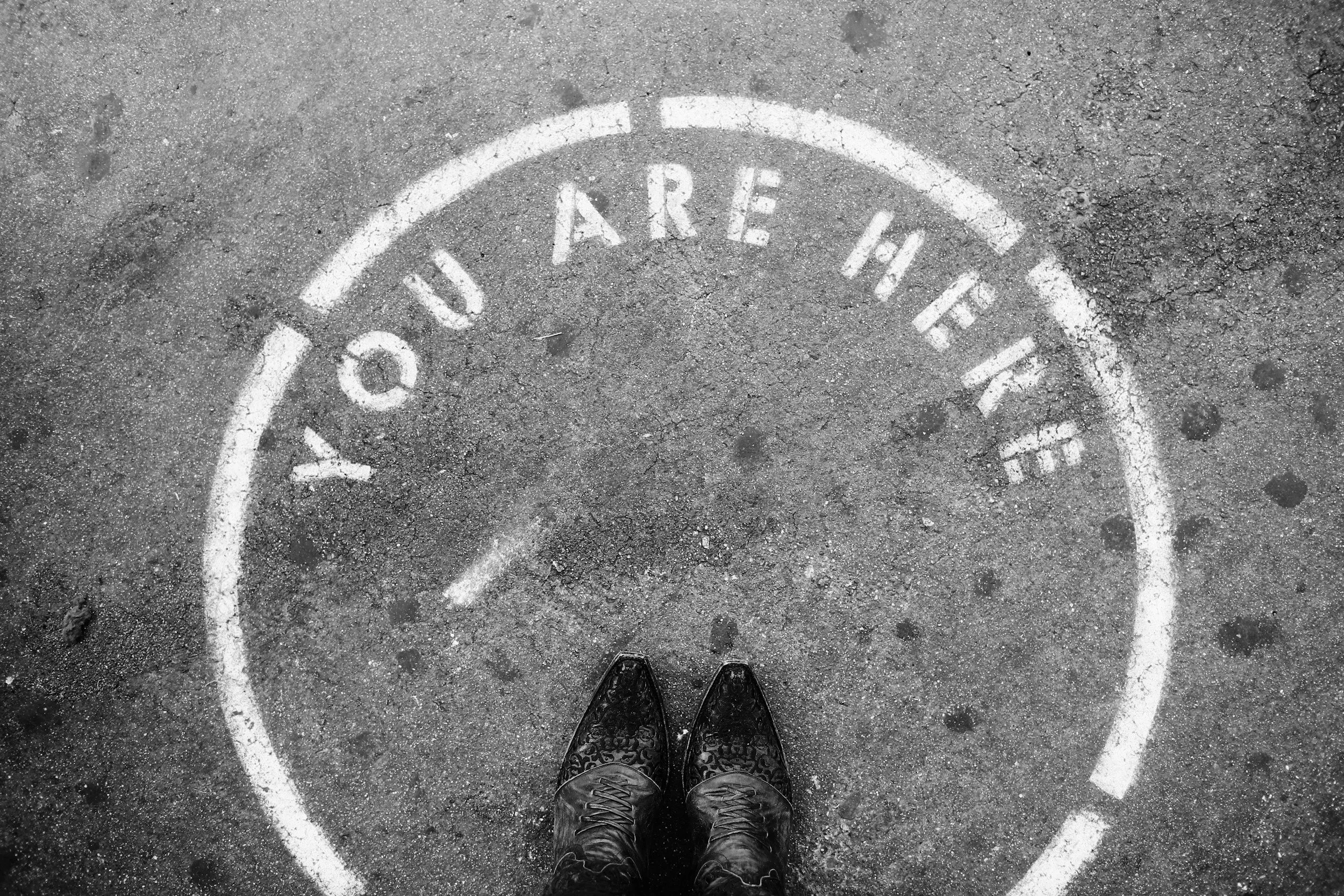
Coming back to the present
Before I became a therapist, I spent years studying how people make sense of their lives. One thing I’ve come to believe, both then and now in my work, is that relief rarely comes from finding the right answer. It comes from coming back to the moment you’re actually in.
Krishnamurti put it simply: fear almost always lives in time, in the future we imagine or the past we remember. Right here, in this breath, most of us are actually okay. Viktor Frankl, writing from the worst circumstances imaginable, showed that even when we can’t control what happens, we can still choose how we meet what’s in front of us.
The psychoanalyst D.W. Winnicott called this steady sense of simply existing “going on being.” We first develop it in early life, and anxiety is what interrupts it. The good news is that presence isn’t something you either have or don’t. It’s a capacity, and like anything we practice, it can grow.
Why Small Tasks Help
One of the most practical things I suggest to clients caught in overthinking is very ordinary: focus on the task in front of you. Wash the dishes. Answer one email. Take a walk and notice what you see. Cook a meal from start to finish.
This isn’t avoidance. Avoidance is pushing the feeling away. A small task gives the mind something to hold. It tells your body that, right here, something is manageable. And it gives you back a sense of agency, which is exactly what the news takes away.
Staying Informed Without Being Consumed
None of this means turning away from the world. Caring about what’s happening matters. The question is how to care without being consumed by it.
What helps is simple. Check the news once or twice a day, not all day. Notice when you’ve crossed from staying informed into checking. When something hits hard, let yourself feel it instead of turning it into more analysis. Then do one small thing with your hands before you go back to thinking. And where you can, act. Helping someone, even in a small way, turns helplessness into something you can do.
How Therapy Can Help
In therapy, we don’t try to make the world’s problems disappear. We look at how they land in you. Often, anxiety about the world stirs up older, more personal fears: of losing control, of not being safe, of not being able to protect the people you love. When we understand those deeper layers, the anxiety becomes easier to carry.
My work combines depth psychotherapy, existential therapy, and practical tools for anxiety and overthinking. Together, we look at where the anxiety comes from and build your ability to stay grounded in the present.
Laura Malandrino is a therapist in Hermosa Beach. Her work is shaped by a belief that people make the most change when they feel understood first. She sees clients in person and online across California.
APCC #15514· Supervised by Robert Northcute, LMFT #51430. Schedule a free 15-minute consultation to see if we’re a good fit.
